Working with Japanese sofubi makers: trust and time
Why I never shared the names of my factories, what small Japanese sofubi workshops are like, how long things take, and why I chose to stay with one maker.
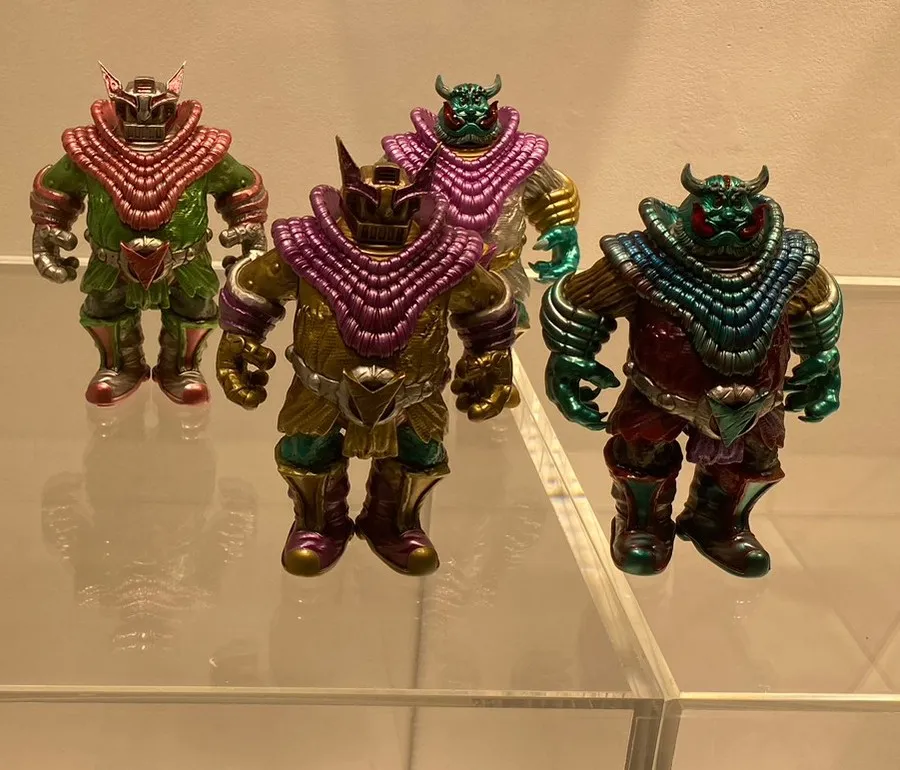
The question I was asked most often was: which factory makes your toys? I never answered it, and I won’t here either. This article explains why, and what working with a Japanese sofubi maker is really like.
Why I don’t share factory names
In Japan, working with a sofubi maker is a personal relationship built on trust, and it takes a long time to build. You have to find your maker yourself. Asking another artist for their contact is not how it works, and passing it on would break the trust on both sides.
I’m happy to help with painting, with design, with almost everything else. Just not the factory.
What the workshops are like
- Small. Many are family workshops, run by one to three people.
- Experienced. The craftspeople are often older, and many speak little English.
- Selective. They take on little new work, and they prefer clients who will still be around in five or ten years.
That last point matters. Many new toy makers today follow a trend. In my opinion, most of them won’t still be making toys in five years, and the workshops know it.
How to find one
There is no shortcut. Finding a contact used to be easier, before sofubi became popular. For me, it took about a year. Be patient, be serious about it, and be ready to show that you plan to stay.
Time
Expect seven months to a year for a single toy. A sofubi maker is not a fast factory: the work is careful, and you are one of very few clients.
The back-and-forth takes time too. When I sent a figure with movable parts, the workshop sometimes found that a joint didn’t work, or that the head came out turned the wrong way. Each problem meant more messages and more waiting. Plan your releases around that.
Why I stayed with one maker
In the end, I decided to produce all my toys at one workshop. It was slightly more expensive than the alternatives, but the people there believed in me and helped me a lot. That is worth more than a few dollars per toy.
Quality was the other reason. Japanese sofubi was expensive and slow, but in all my time working with Japan, I never had a problem with the quality.
In short
- Find your own maker. Expect it to take a long time.
- Treat it as a long-term relationship, not a purchase.
- Plan for seven months to a year per toy, and for questions along the way.
- Loyalty and trust are worth more than the lowest price.
Making your first toy compares sofubi with resin and factory vinyl.
Sources
I wrote this article from these videos of mine. Safety and product facts are checked against the manufacturers’ published data.