Size, packaging and value: making a toy worth the shipping
Why I settled on 25 cm for my sofubi, what Bonnie taught me about small toys sold online, and how better headers, cards and stickers add real value to a pack.
If you sell at conventions and in shops near you, size is mostly a matter of taste. If you sell online from far away, as I did from Sweden, size becomes a business decision. Every buyer pays your price plus the shipping, and the toy has to feel worth both.
The question to ask yourself
Imagine you live in Japan and you are buying your toy from Sweden. Would you pay the price plus the international shipping for it? If the honest answer is “maybe not”, there are probably other toys that give that buyer better value.
What I learned from Eggie and Bonnie
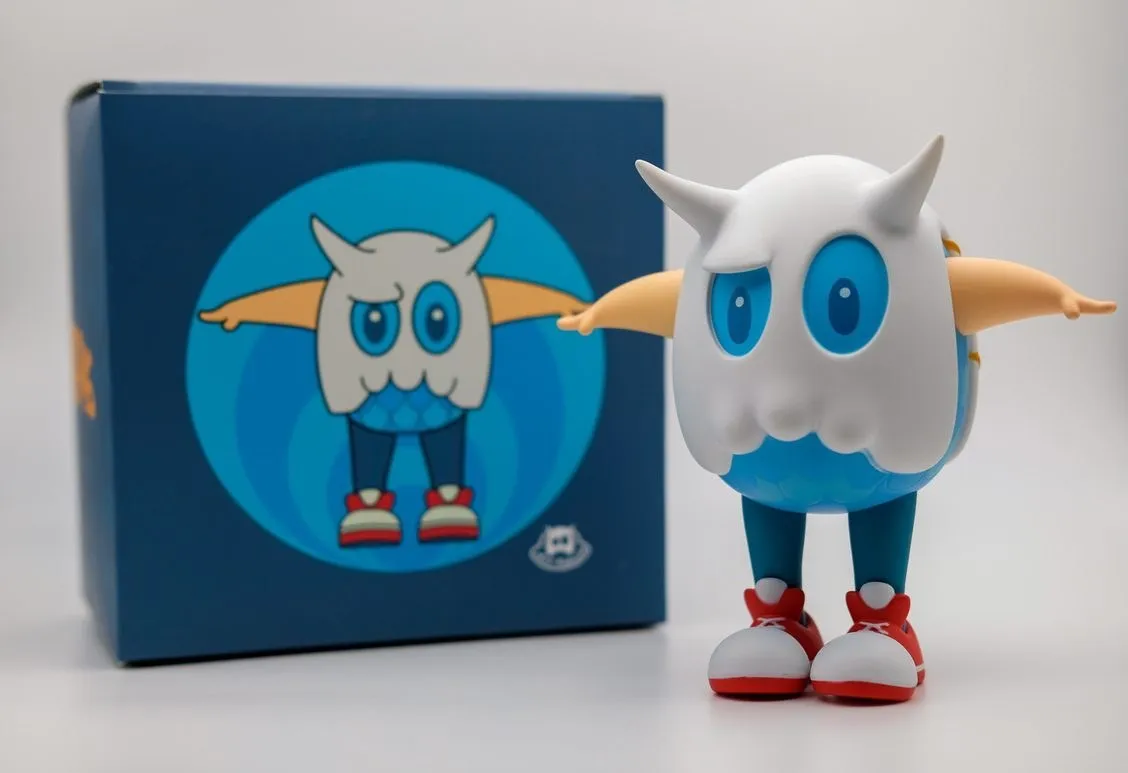
Eggie was about 12 cm tall, but it came in a printed box, with stickers. The whole package felt like something worth paying shipping for.
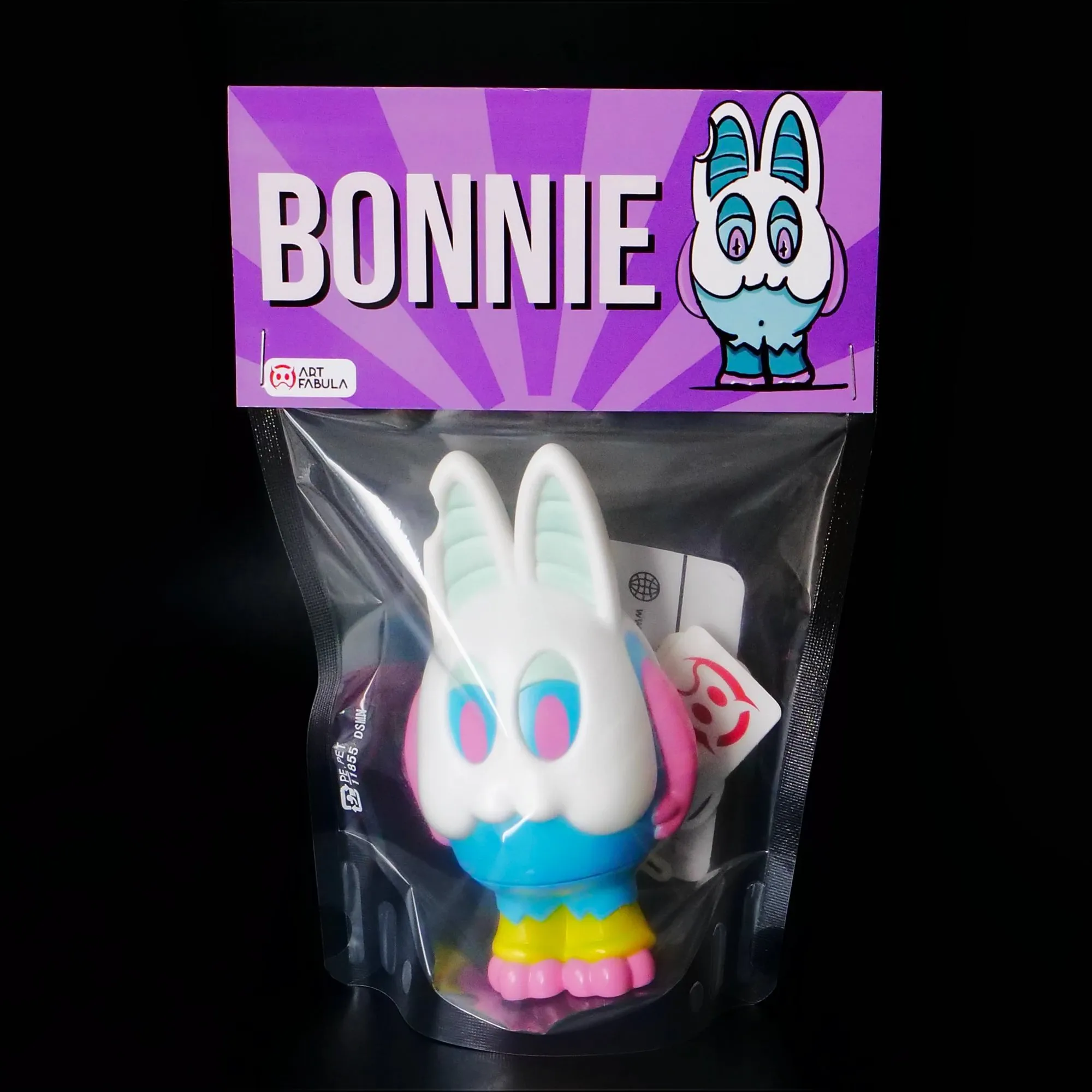
Bonnie was about the same size, but with no box. At around 40 dollars plus 10 to 12 dollars of shipping, many people simply didn’t think it was worth it. It almost sold out in the end, but it sold best in person, at events and in shops, not online. From Sweden, a small toy without much packaging was hard to sell to buyers in Japan.
Why I settled on 25 cm
My answer was a standard size for all my sofubi: 25 cm. Geckogon, Borgor, Gargan and Belok are all that height. At that size, a figure has presence on a shelf, room for detail and movable parts, and it feels worth the postage to collectors in Japan, the USA and everywhere else. Since then, every toy I made has been 25 cm.
Borgor is the clearest example: a massive figure, my biggest success, at around 120 dollars, and people were happy to pay the shipping for it.
Packaging that adds value
For 25 cm sofubi I followed the traditional Japanese style: the figure in a clear bag, with a printed header card stapled on top. It is simple, it shows the toy, and collectors recognise it.
A good pack is more than protection. In my later packaging system, each pack held:
- the toy and a sticker, in a bag, with the header card on top;
- an illustration print of the character in a separate bag;
- extra stickers;
- a business card.
Each header carried the toy’s name in big letters, an illustration, a short story about the character, the logo, and space for me to sign and number it.
Print quality matters
My first headers taught me to pay for good printing.
- Printed at home: my old Mecha Zhaar header was on good paper, but it still didn’t look good enough.
- Printed cheaply at a factory: my old Bonnie header tore at the hanging hole at the top.
For the new system, I had the headers printed professionally on heavy card, around 260 grams. They look better, and they survive being hung on a hook.
Design the pack like the toy
Packaging deserves the same care as the figure. For Eggie’s box, the factory gave me a template, and I made five versions before choosing. I rejected an all-red one because it didn’t match the toy. Choose the pack that belongs with the figure, not just the one that looks good on its own.
In short
- If you sell online and abroad, design the toy to be worth its shipping.
- A small toy needs packaging that adds value. A big toy can travel in a simple bag and header.
- Print headers professionally on heavy card.
- Put something extra in the pack: a print, stickers, a signed and numbered card.
Designing for a market and Selling art toys from Europe go further into who you are making the toy for.
Sources
I wrote this article from these videos of mine. Safety and product facts are checked against the manufacturers’ published data.