Designing for a market: research before you sculpt
Why my first toy was a good toy in the wrong market, how four years of research led to Geckogon, and a simple method to test a design before you pay for production.
Many new artists design only for themselves. I did too. Making the toy you love is a good start, but if nobody wants to buy it, a hundred or two hundred toys end up in boxes in your home. If you don’t have a market, you don’t have a business.
A good toy in the wrong market
My first toy, Eggie, was made with the mindset I had in 2004: a Western designer toy, smooth vinyl, clean shapes, made in China. I launched it in 2021, into a market that had moved on and had largely shifted to Asia, without researching it first. That was completely wrong.
I made about a hundred Eggies, and around 80 percent of them sold, over many years. In the end I retired it from the market. It was a good toy, in the wrong market.
Captain Bpop came next. It had many problems, but it found a niche and some fans. It was better, but still not in the right market.
Four years to Geckogon
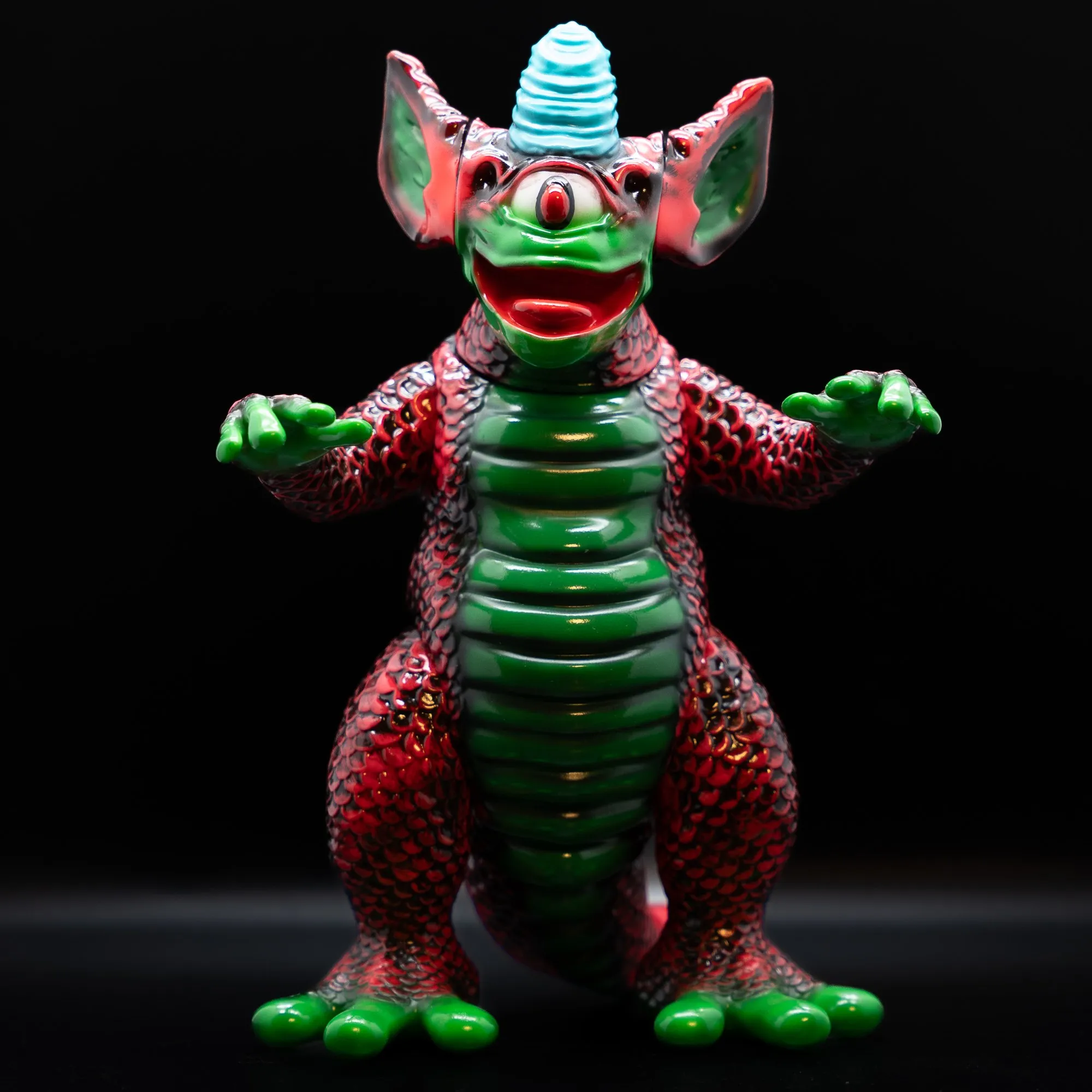
Geckogon was my second toy made in Japan, and it was the first that really found its market. Behind it were four years of non-stop study: the art toy and sofubi communities, what was trending, and building contacts in Japan. I designed it for the Japanese public, rooted in Japanese monster traditions.
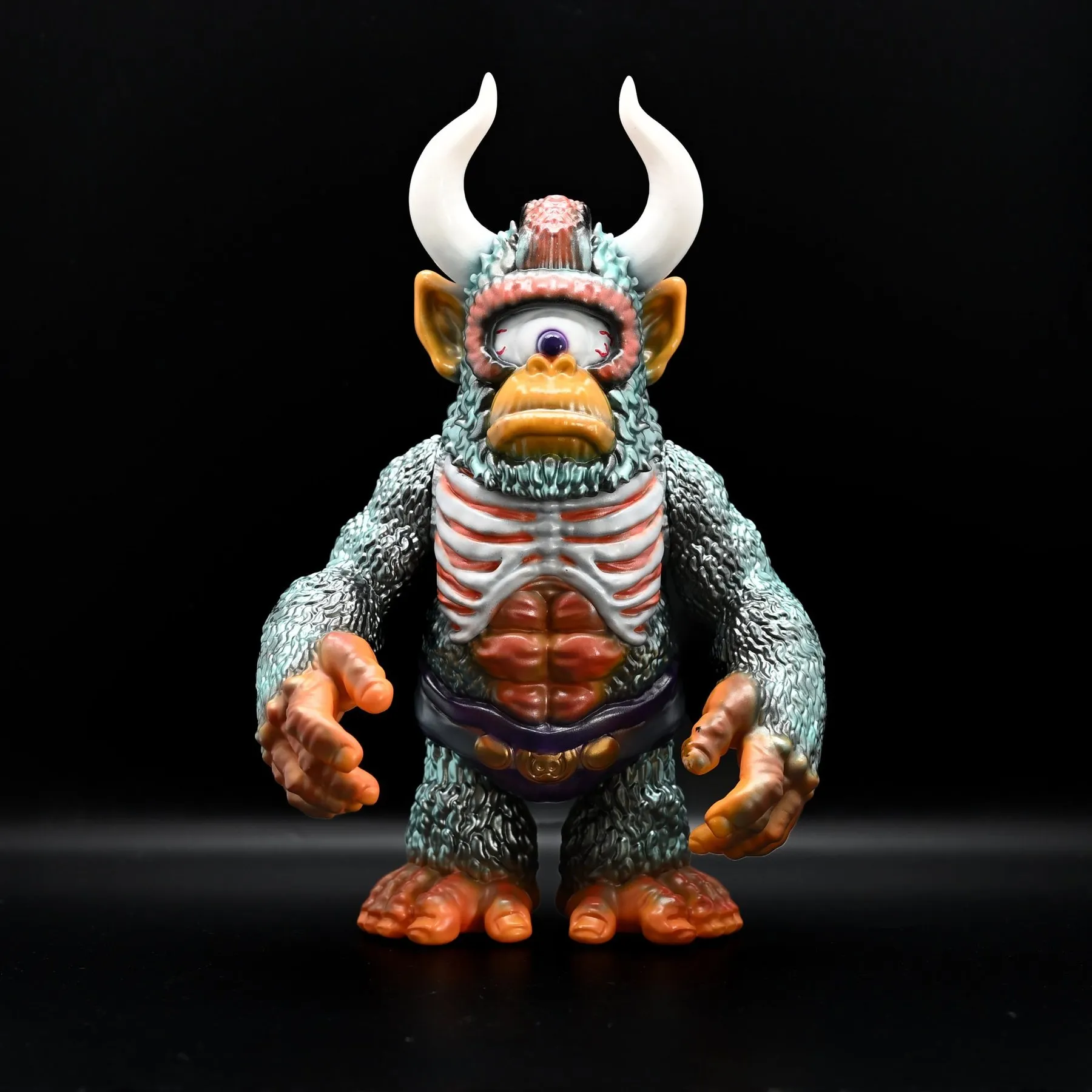
Later figures, Borgor, Gargan and Belok, mixed traditions: kaiju, but not “clean” kaiju. That made them appeal to collectors in the USA and Europe as well as Japan. That balance is what I had been looking for.
Markets really are different
One toy won’t suit every market. A cute, curvy toy might fit Japan, Taiwan or Thailand, but each of those markets has its own taste. Decide early: what size, and what kind of character? Cute, monster or horror, humanoid, action figure?
Colour depends on culture too. Western art toys lean on pastels and the bright nostalgia of the 1950s and 60s. Japanese sofubi from the 1960s and 70s leans on metallics, basic colours and the browns and greys of monster films. A toy for American collectors might borrow from the cartoons and comics they grew up with. Colour palettes for art toys goes deeper into this.
How to research
- Follow the artists you like, and the people who follow them. What those collectors post, buy and talk about shows you the bigger picture.
- Spend time looking. Search art toy and sofubi hashtags for weeks, even months. Note the shapes and colours that keep coming back, round or angular, cute or scary. Search by material too.
- Ask yourself what the public wants: cheap or unique, hand-painted or not, small or big.
Test before you produce
My method for a new toy, before any money goes to a factory:
- On a blank sheet, write down why you want to make this toy, and how many years you are giving it.
- Design it, and don’t produce your first design. Kill your darlings.
- Print it in resin and show it to people. Ask them if they would actually buy it.
- Be careful with social media: the people around you tend to agree with you.
- Work out the costs, and choose between a vinyl factory and your own resin printer.
- Only then produce.
Nearly every artist has toys that fail. Mine failed when I designed only for myself.
Keep your soul in it
Researching a market doesn’t mean copying it. When something succeeds, people copy it, often without noticing. I did it too: when I started, I wanted to be like the biggest names in designer toys, and I was wrong. If you copy the big brands, you have already lost, because people want the originals.
So research the market first, then make your own thing. Be inspired, but put your own soul into your toys. And don’t give up your happiness or your imagination along the way. Find the balance between what you love and what people want.
Sources
I wrote this article from these videos of mine. Safety and product facts are checked against the manufacturers’ published data.