Selling art toys from Europe: shops, margins, VAT and shipping
What I learned selling sofubi from Sweden to collectors in Japan and the USA: finding shops, the margins they expect, VAT for EU buyers, shipping, and releasing to your own community first.
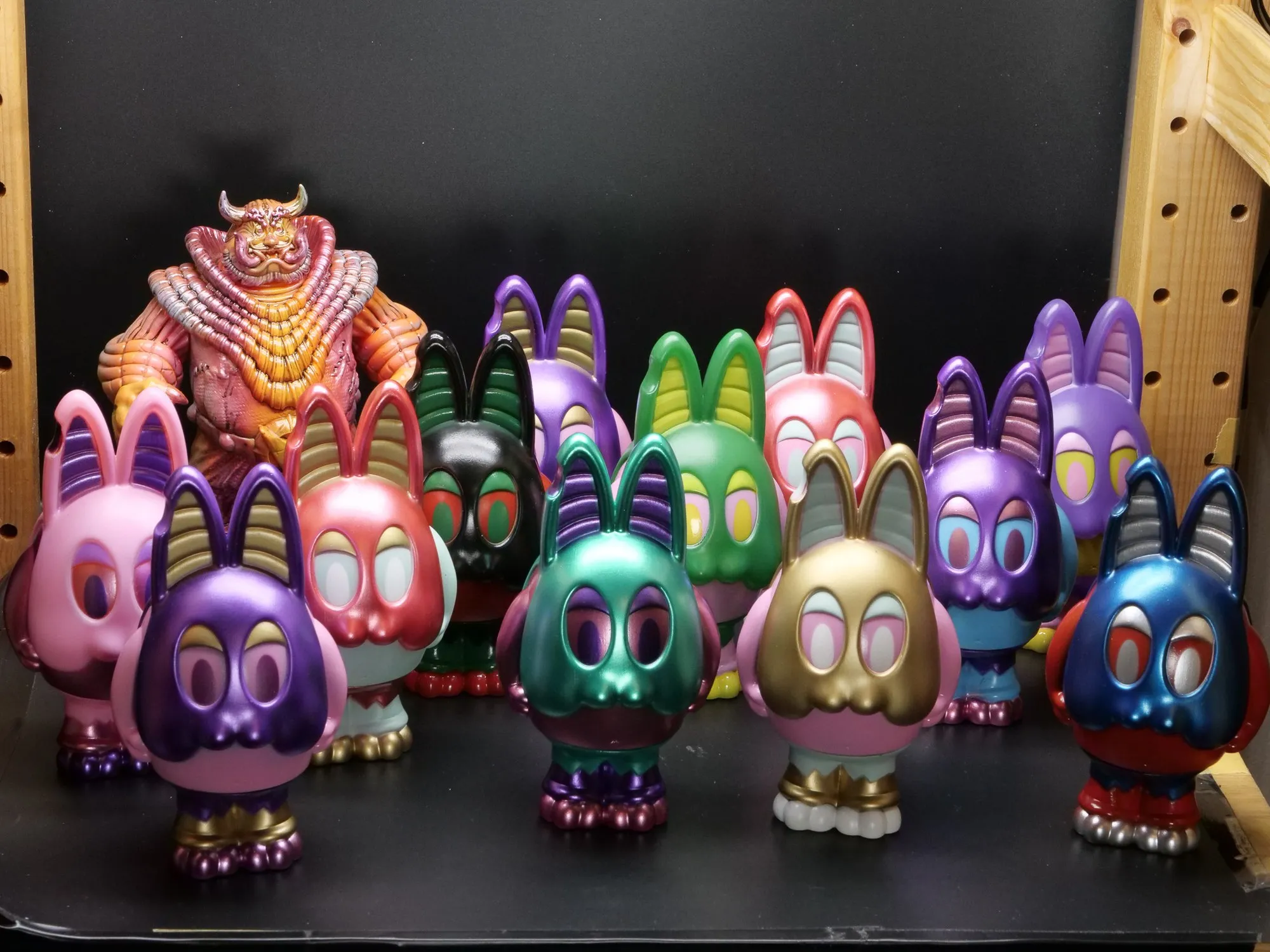
Art toys are a small, international niche. In Sweden, and in northern Europe generally, there was almost no market for my toys, and I couldn’t meet buyers face to face. Most of my collectors were in Japan and the USA, so I had to sell to them from far away. Here is what that taught me.
Get the toy into people’s hands
Social media is not enough on its own. Photos on a website are only a representation of the toy, and bad photos make a good toy look bad. Video is better: it shows the size and the real colours. But nothing beats people holding the toy.
So go where the collectors are, if you can: events like Wonder Festival in Japan, and shops and galleries. If you can’t be there in person, sell through shops that can.
I did this the wrong way at first. I put toys in shops before anyone knew them. It works better the other way round: build interest online first, then point people to where they can see and buy the toy.
Finding shops
- Be on the platforms each market uses. For Japan, X (Twitter) mattered; for the rest of the world, Instagram.
- Find shops on social media, and write to them. Send good images, and explain why your toy fits their shop and their audience.
- Match the shop to the toy. A sofubi shop and a Western art toy shop want different things. Some shops took only some of my toys.
By 2023 my toys were in three places in Japan: a gallery and two shops.
The margins shops expect
Shops buy from you at a wholesale price and keep the difference. In my experience, shops in Japan worked with around 30 to 35 percent of the retail price. Shops in the USA and Sweden wanted around 45 to 50 percent, and some European and American shops told me that 30 percent off was too little for them.
That means a shop can make almost as much profit on your toy as you do. Decide early what you want: to sell to shops more cheaply for the exposure, or to keep more of the money and sell mostly yourself.
VAT and the price your buyers see
Where you sell from changes what buyers pay. As a Swedish company, I had to add Swedish VAT, 25 percent, for buyers in Sweden and the rest of the EU. A Geckogon at around 75 dollars became more than 90 for a European buyer, while a buyer in Japan or the USA paid the base price. I didn’t absorb the difference, because my profit was already small, and I kept prices for Japan and the USA similar so nobody felt cheated.
The EU rules for selling online to consumers in other EU countries are worth knowing. There is one EU-wide threshold of 10,000 euros a year in total sales to consumers in other member states. Below it, a Swedish seller charges Swedish VAT. Above it, you charge the VAT rate of the buyer’s country, and you can report all of it through one system, the One Stop Shop, from home. Check the current rules with your tax agency before you rely on this.
Buying works the other way too: when toys made in Japan arrive in Europe, you pay import VAT on arrival.
Shipping is part of the product
Every buyer abroad pays your price plus shipping. That is why I moved to a 25 cm standard size with traditional header packaging: a figure that feels worth the postage. Size, packaging and value explains that decision.
Your own community first
The most reliable way I found to sell was my own newsletter. Subscribers got exclusive colours and first access to each release, often in very small numbers, sometimes only six of one colour. Later I called it the VIP Community, and some releases sold out there before they ever reached the public shop.
Remember what you are selling
The costs around production are often bigger than production itself: selling, the website, shipping, taxes and your time. Count them all.
And remember that you are not selling toys. You are selling happiness.
Sources
I wrote this article from these videos of mine. Safety and product facts are checked against the manufacturers’ published data.