Before you start: the honest economics of making art toys
What making art toys really costs, how long the money takes to come back, why I never relied on toys alone, why you should never borrow, and why I still think it is worth it.
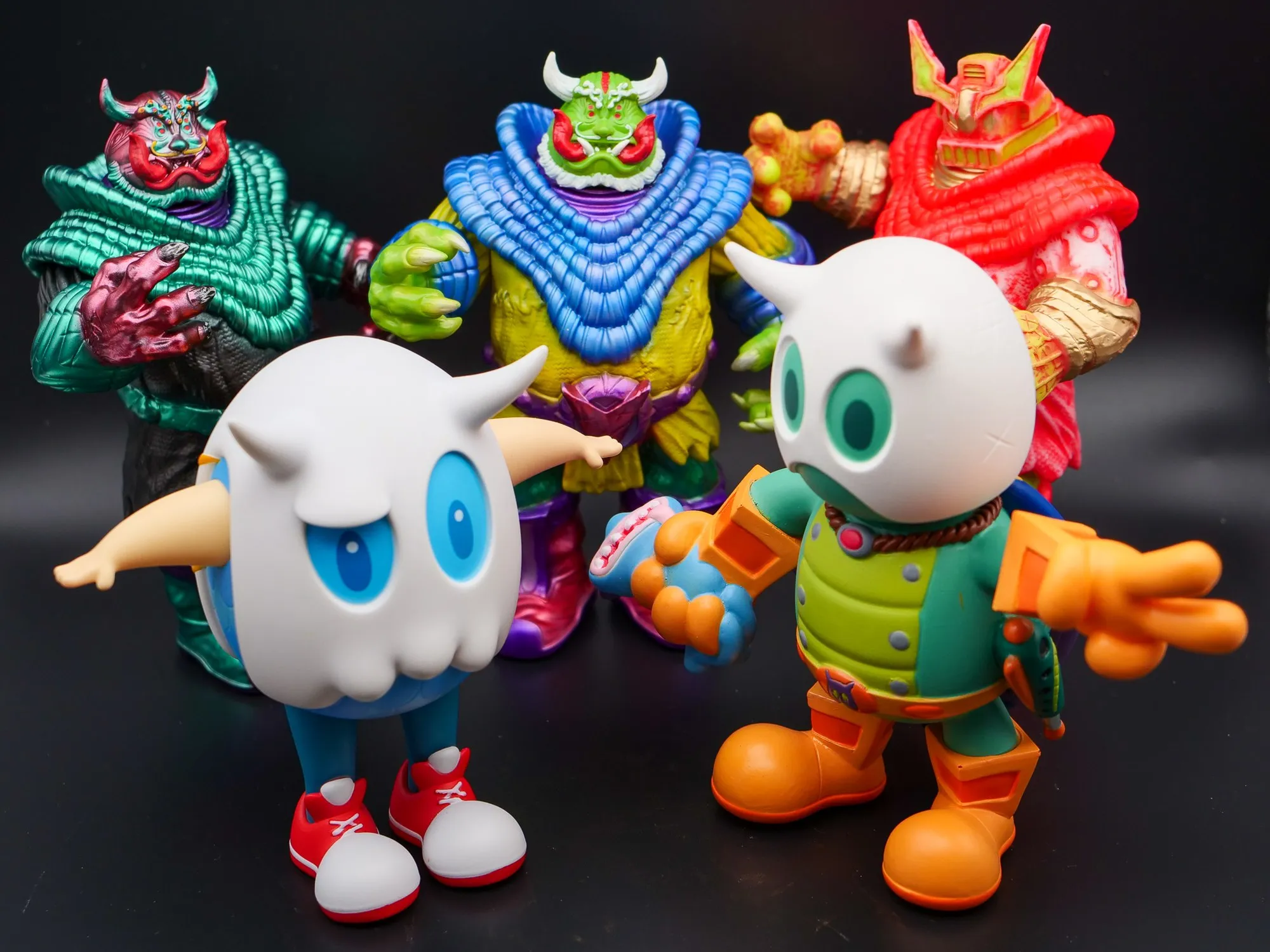
There is a myth that a few toys, an Instagram account and a YouTube channel will make you rich and famous. The reality is that, at the start, nobody knows who you are. I want to be honest about the money side, because nobody was honest with me when I started.
What it costs
Toy production asks for a lot of money up front. For a complicated design, a small run can cost 8,000 to 10,000 dollars before you sell a single piece. And the most expensive part is often not the production itself but everything around it: selling, the website, shipping, taxes and your time. Pricing a sofubi toy shows how I worked out the numbers.
How long it takes
Getting that money back can take four to ten years. It is a tiny niche: most people see a toy, not the art in it, and many think a hand-painted figure should cost what a supermarket toy costs. This is a marathon, not a sprint.
Geckogon, my first real success, came after four years of study and a lot of failed attempts.
Don’t depend on toys alone
Art Fabula was never my only source of income. I am also a high school teacher; that is my day job. And I don’t recommend leaving everything to make toys. Never. Keep another income until the brand has really grown, and don’t make art toys your only craft.
Keep your private money and your business money apart. Only put in money you can spare, never the money you need to live. It is better to grow three months slower than to struggle to pay for food.
Never borrow to make toys
I have seen new artists take loans to produce their first toys. Please don’t. Save first. I did almost everything wrong at the start, but at least I had some savings to do it with.
There was a moment when I had no money left to produce more toys, buy materials, or even ship orders, because I had nothing left to sell. It opened my eyes. I stepped back and started again, more carefully.
Small steps
- Start with what you have. You don’t need the best camera, computer, printer or airbrush. I put all my money into my first toy and then into expensive equipment, and I overvalued the tools and undervalued my own art. Upgrade only when something breaks, or years in.
- Start with resin. Print a small run on your own printer, see if it sells, and move to vinyl only when the demand and the money are there.
- Re-evaluate every step, or you will repeat the same mistakes.
- Don’t put all your savings in. A dream is just a dream until the numbers work.
Why people still do it
After all that, why did I keep going?
- Creative work. Designing a character and seeing it become real is a pause from everything else.
- Making things with my hands. Painting, modelling, packaging.
- Exploring other cultures. Friends in Japan, the people at the factory, collectors in the USA and the UK, collaborations I never expected.
- Meeting people. New people bring energy and ideas.
- Bringing joy. People open the box, add the figure to their collection, and write to say thank you.
If you are here for the money, you are here for the wrong reason. If you are here for those things, start small, be careful with money, and keep going: slowly, but always forward.
Sources
I wrote this article from these videos of mine. Safety and product facts are checked against the manufacturers’ published data.