Paints for soft vinyl: what holds and what cracks
Why ordinary acrylics fail on sofubi, what a soft-vinyl paint has to do, and two simple tests to check any paint before you use it on a production run.
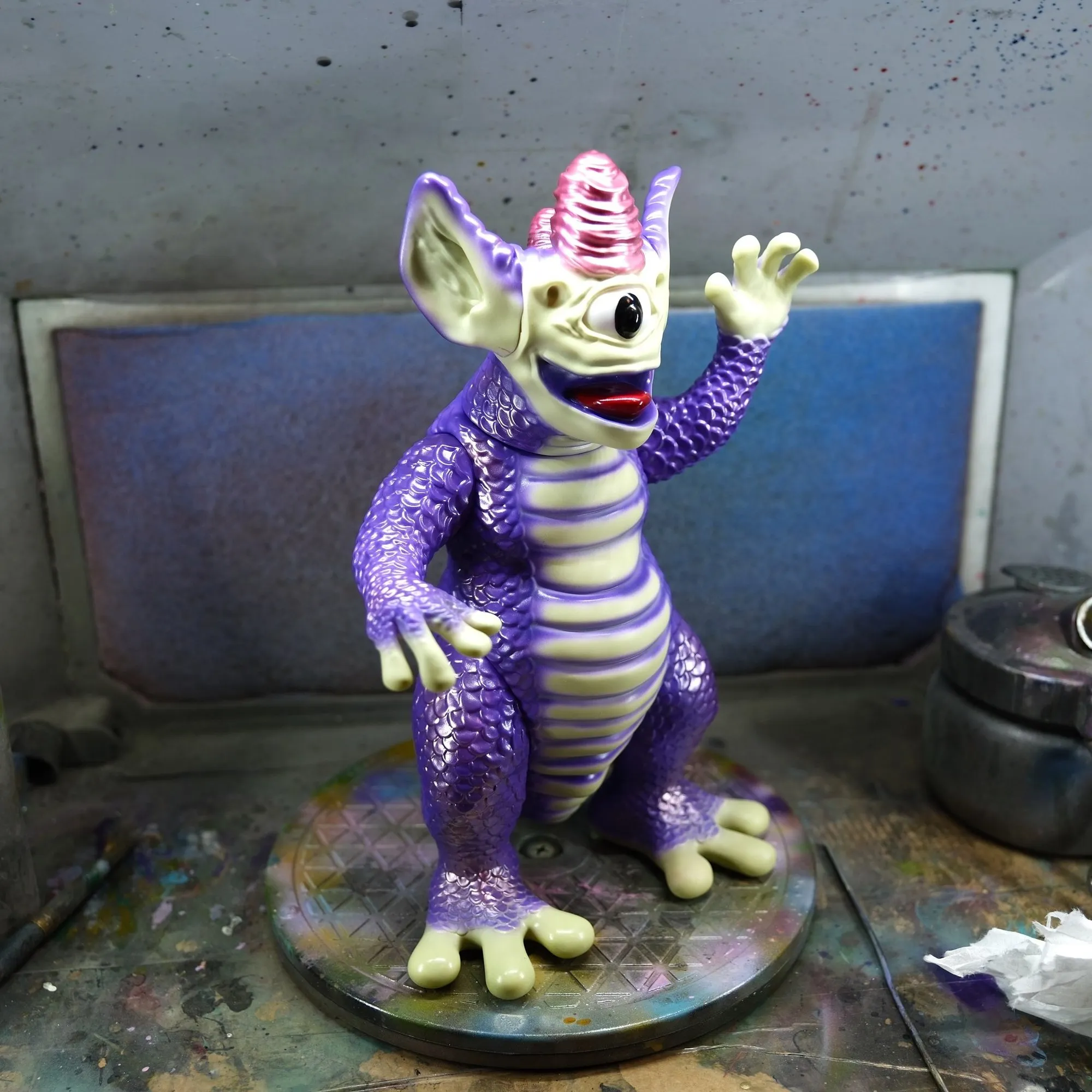
Soft vinyl is a demanding surface. It bends, it is warmed and squeezed during assembly, and it gets handled. A paint can look perfect on the day it is sprayed and still crack or peel the first time a leg is pulled into place. Choosing the paint is really choosing how the figure will age.
Why ordinary acrylics fail
General-purpose acrylic airbrush paint dries into a film that sits on top of the vinyl. It doesn’t bond with it. As soon as the vinyl flexes, the film breaks, and the cracks show. That is why I stopped treating standard acrylics as an option for airbrushing sofubi.
A paint for soft vinyl has three jobs:
- Grip the PVC itself, not just the surface.
- Stay flexible when the vinyl bends or is warmed.
- Resist scratching and handling, so the figure survives assembly, packing and years on a shelf.
Paints made for soft PVC are solvent-based, and their makers describe them as flexible and able to adhere directly to soft vinyl.
The families of paint you will meet
Specialist soft-vinyl paints. These are made specifically for sofubi and other soft PVC toys and dolls. In my final years with Art Fabula, I used Hikari Toys paints from the French maker Stardust Colors for my production figures. According to the maker, they adhere directly to soft vinyl without sanding or primer, stay flexible, and dry to the touch quickly.
Hobby lacquers. Japanese model lacquers were my main paint for years. They are sold in small bottles, come in a huge range of colours including metallics, and give a fine finish when thinned with the matching thinner. Their weak point on soft vinyl is scratch resistance. Matching the toughness of a specialist paint needs a lot more clear coat.
Brush acrylics for small details. Brush-on model acrylics are useful for tiny details that are easier to paint by hand than to spray, and I used them that way alongside my airbrush paints. They are not a substitute for a soft-vinyl paint on large areas that flex.
One rule applies whichever you choose: don’t mix systems. Thin each paint with its own maker’s thinner, and don’t blend paints from different ranges in the same cup.
Two tests to run before a production batch
You don’t need a lab to find out whether a paint will hold. Paint a spare part, or a failed piece, and try these.
1. The scratch test
Scratch the painted surface with a fingernail straight after painting, and again after one to two days. When I tested Hikari paints in 2023, the paint was already hard to scratch soon after spraying. After 24 to 48 hours it was close to impossible to mark with a fingernail. Metal tools will still scratch any paint, so it is fingernails, packaging and handling you are testing against.
2. The warm-and-flex test
This is the test that matters most for sofubi. Warm the painted part until it is soft, the way it would be during assembly. Then rub it and bend it. A paint that isn’t made for soft vinyl will crack and lift. In my test, the Hikari paint stayed put however much I squeezed and flexed the warm part.
Warm the part gently and evenly, not with a jet of very hot air on one spot. Overheated vinyl can deform and give off fumes. See Trimming and assembling sofubi for safer ways to warm parts.
Practical things the label won’t tell you
- Pigment settles. Some soft-vinyl colours separate in the bottle, with the pigment packed at the bottom and clear liquid on top. They need hard shaking. A small vortex mixer, the kind used in laboratories, remixes a bottle in seconds and became one of my most useful tools.
- Metallics need a dark base. Hikari’s metallic colours are semi-transparent. The maker recommends thin coats over black, or over white for the lightest metallics.
- Bottles are small. Most hobby and sofubi paints come in bottles of 10 to 60 ml. Painting dozens of figures in one colour uses a lot, so I pre-mixed colour with thinner in larger dropper bottles.
- Save the leftovers. Paint left in the airbrush cup at the end of a colour goes back into a labelled bottle for the next batch.
Clear coat
Hikari states that its basic colours don’t need a primer or a clear coat, and that very thick layers can yellow slightly. Even so, my advice is clear: you should clear-coat sofubi toys. A clear coat protects the paint from scratches and handling, and it matters even more on paints that are less tough than a specialist soft-vinyl paint. Choose a clear coat that is compatible with your paint system, and test it on a spare part first, the same way you test the paint.
These are hazardous products
Soft-vinyl paints and their thinners are not like water-based craft paint. The Hikari safety data sheets classify the paint as a flammable liquid that can cause serious eye damage, irritate the skin and airways, and cause drowsiness or dizziness. The thinner is also flammable and can dry and crack skin with repeated contact.
The data sheets call for:
- good ventilation or extraction;
- a suitable respirator;
- nitrile gloves;
- tightly sealed goggles;
- no heat, sparks or flames nearby.
Some product pages describe these paints as non-flammable. The safety data sheet is the document that counts, so read it for every paint you buy.
A safer small studio covers ventilation, respirators and spray booths in detail.
A note on independence
I received a few free samples from the maker when I first tested the Hikari range in 2023. I paid for the rest myself and was not paid for my opinion.
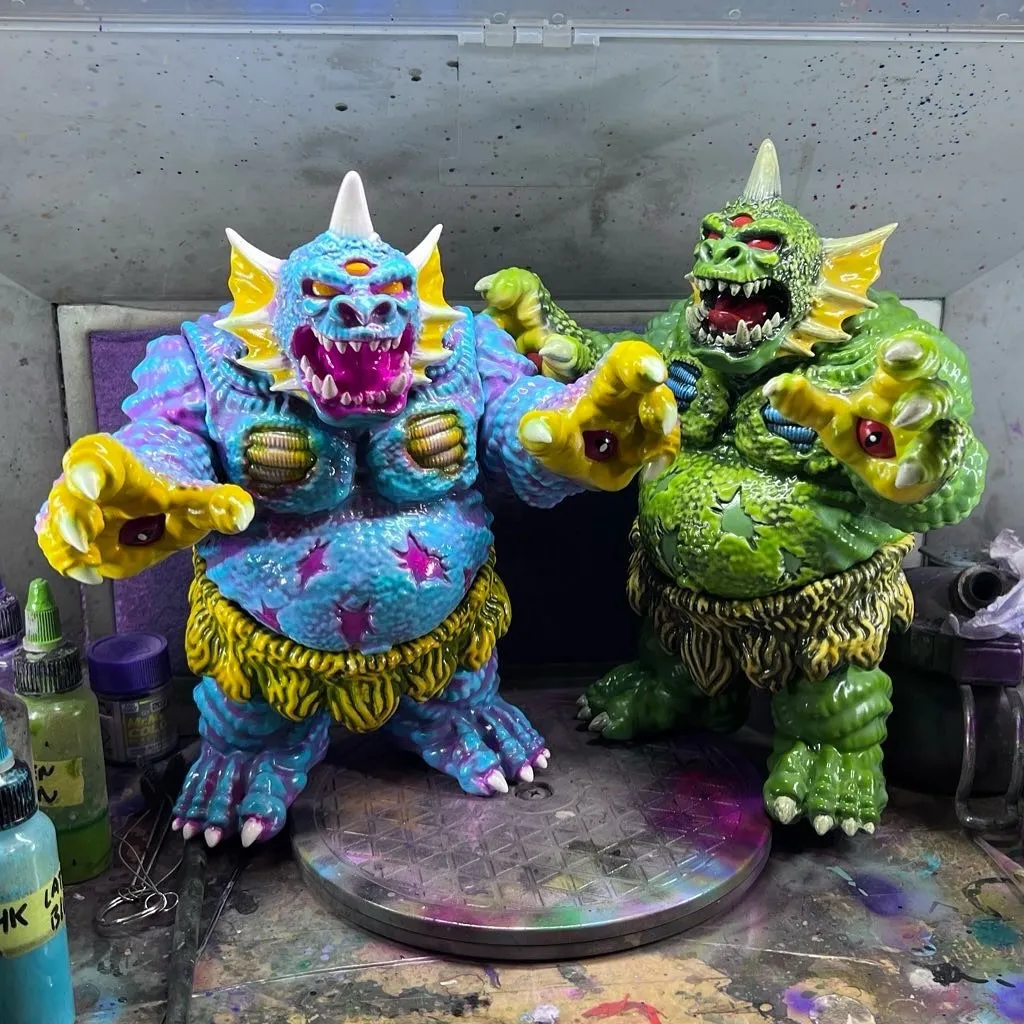
Sources
I wrote this article from these videos of mine. Safety and product facts are checked against the manufacturers’ published data.