Community, copying and bootlegs
Why bootlegs of art toys make no sense to me, where inspiration ends and copying begins, how hype can hurt the sofubi community, and why buying from artists matters.
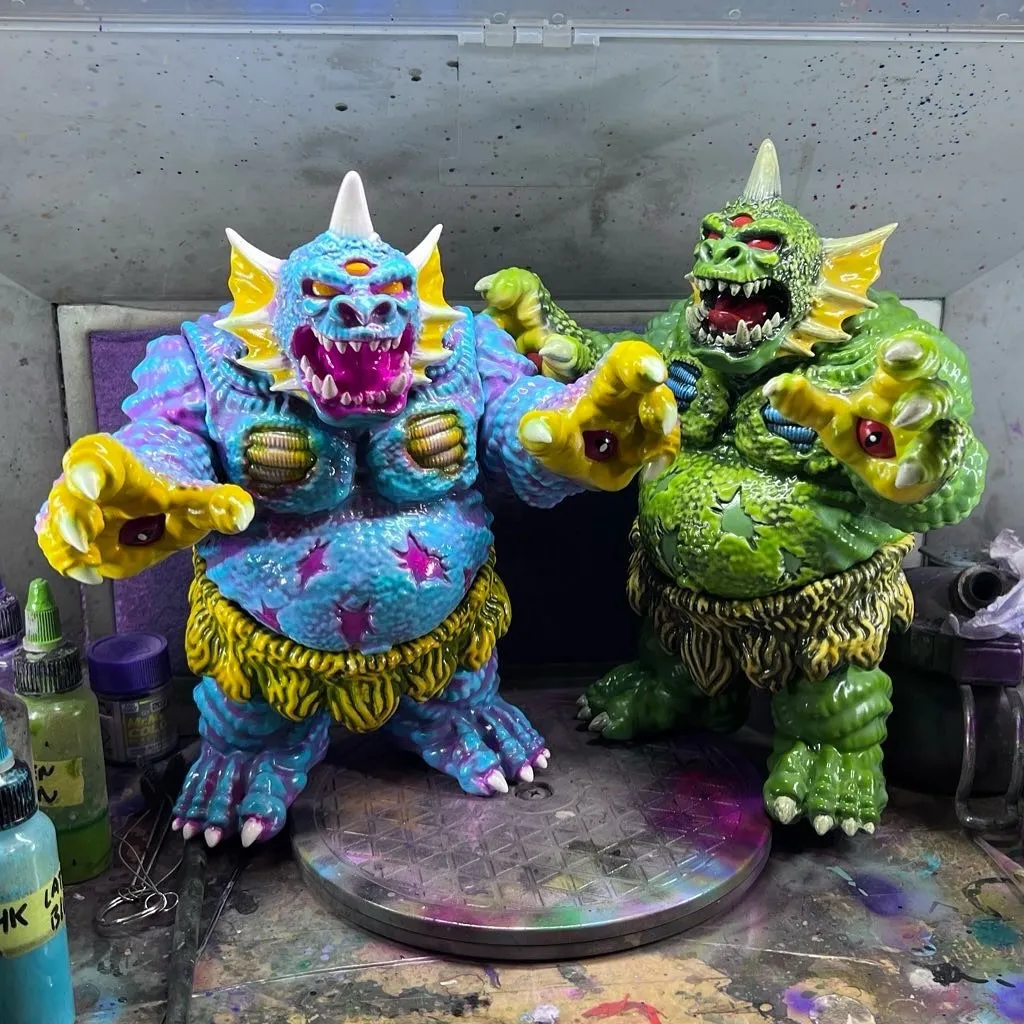
The art toy world is small, and it runs on trust: between artists, makers and collectors. Bootlegs, copying and hype all wear that trust down. These are my views on each, from someone who made toys and collected them.
Bootlegs
Bootlegs exist for a reason: people want a toy they can’t reach, or can’t afford. I understand that. For practical things, like a bag or a tool, buying something inspired by an expensive original, or a cheaper similar tool, can be fine. I still wouldn’t buy a straight copy, with all the legal problems that come with it.
For art, a bootleg makes no sense to me. Nobody boasts about owning a copy of the Mona Lisa. There are toys I love and can’t afford, but why would I pay someone who has nothing to do with the artist?
Toys are a luxury. Nobody needs a toy. If one is out of reach, there are so many other great artists whose work you can buy instead.
Inspired by, or copied?
Where is the line? This is how I see it:
- Inspired by is fine. A new kaiju, or new figures in the style of 1980s wrestler toys, are original work in a tradition.
- Collecting old bootlegs is fine. They already exist, and some are part of toy history.
- Copying a famous toy to sell it cheaper is not. That takes from the artist who created it.
- Re-casting old toys to sell copies: I’m honestly not sure where I stand on that.
Copying without noticing
Copying isn’t always deliberate. When something succeeds, people start making things that look like it, often without realising. The first creator had the inspiration; the ones who follow make copies, not creations.
I did it too. When I started, I wanted to be like one of the biggest names in designer toys. I was wrong. If you copy the big brands and artists, you have already lost, because people want the originals. Be inspired, but put your own soul into your toys.
Hype and the bubble
When I was a design student, in 2004, very few people made art toys. It was expensive, and the path from design to factory to shop was long. Today, 3D printing and cheaper production mean far more people can make toys, and that is a good thing.
The problem is the people who come only for the money. When videos show people buying expensive collections, it creates hype, and some think: there’s a market, I’ll get rich. Some release a new toy every month because it’s cheap to do, with little care for the craft or the community.
Sofubi became a trend, and trends become bubbles. When a bubble bursts, it hurts the people who make toys for a living. In my opinion, most of the new toy makers chasing the trend won’t still be around in five years.
I’m not a gatekeeper. Anyone can make toys. But ask yourself honestly: will you spend at least ten years getting better at this? If the answer is yes, do it with responsibility, and love the craft.
Support the artists
Likes are nice, but artists need to live too. If you love someone’s work, the best support is to buy it, from them.
Collecting with intention is about buying toys that really mean something to you. Designing for a market covers finding your own voice.
Sources
I wrote this article from these videos of mine. Safety and product facts are checked against the manufacturers’ published data.